Research
Code review claims, with receipts.
Field reports, measurement notes, and practical review methods. Every comparative claim identifies its basis; every case study points back to code you can inspect.
Latest articles

Diff-Based Analysis: What It Catches and What It Misses
Diff-based analysis checks only the lines a pull request changes. See what it catches, where it fails, and how to add repository context before you merge.
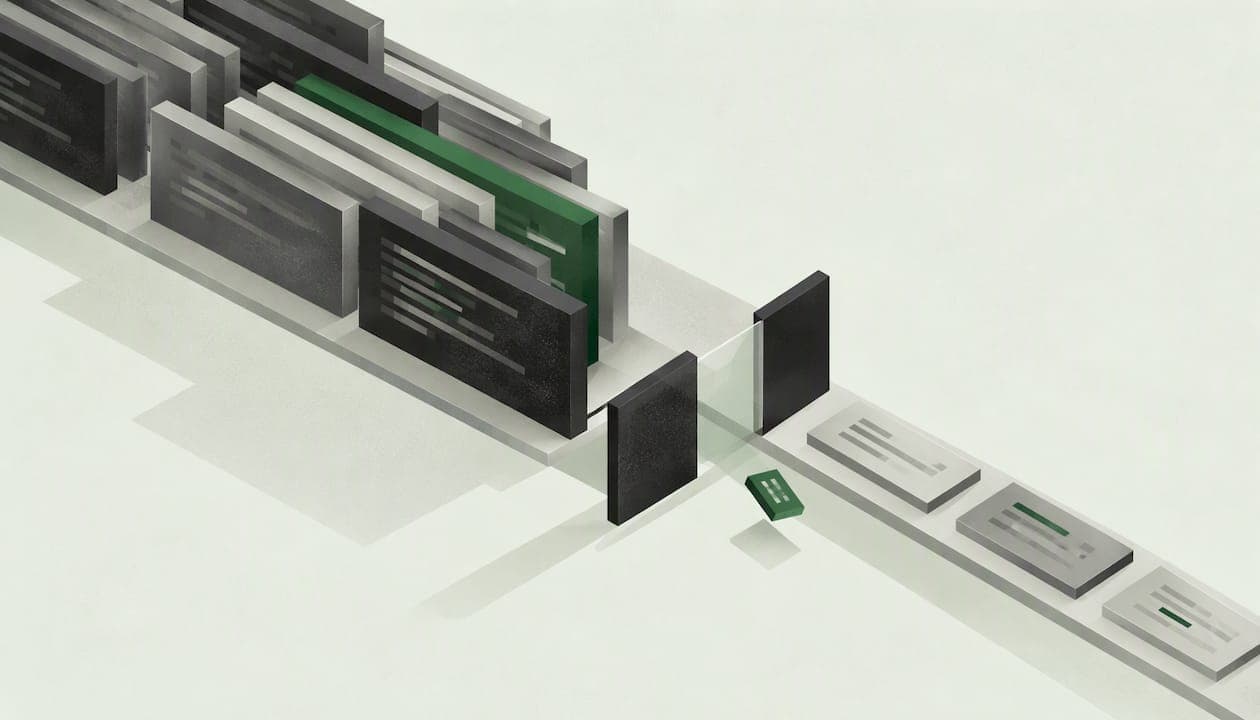
Code Review Fatigue: Causes, Costs and How to Fix It
Code review fatigue lets defects slip through as pull request volume grows. See what the data says, and how to cut the load with guardrails and evidence.

Code Review Audit Trail: What to Record and Keep
What a code review audit trail must record, where GitHub's own logs fall short, and how to keep evidence of review quality that an auditor or incident team can use.
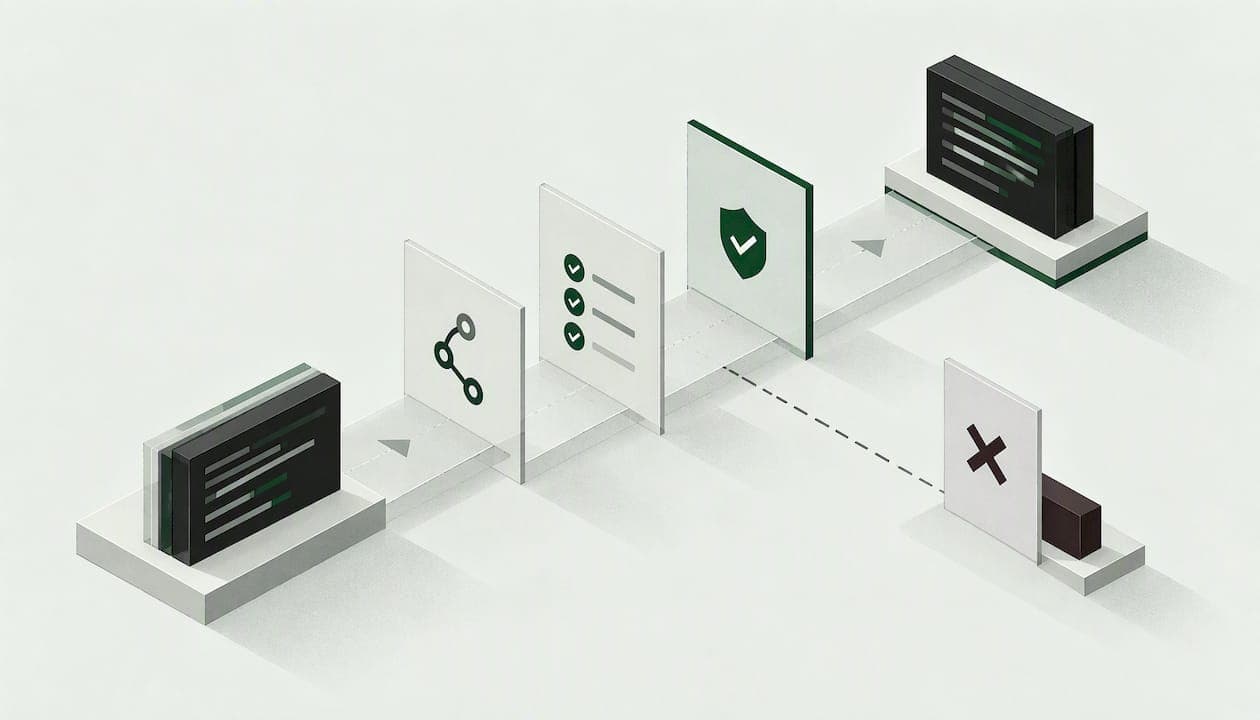
GitHub Pull Request Automation: What to Automate and What to Verify
A practical guide to GitHub pull request automation: auto-merge, CODEOWNERS, merge queues, secure workflows, and how to gate merges on verified evidence.

A Microservice Code Review Workflow That Catches Defects Before Merge
A practical microservice code review workflow: scope, contract checks, automation, evidence-based findings and merge gating, so defects stop at the pull request.
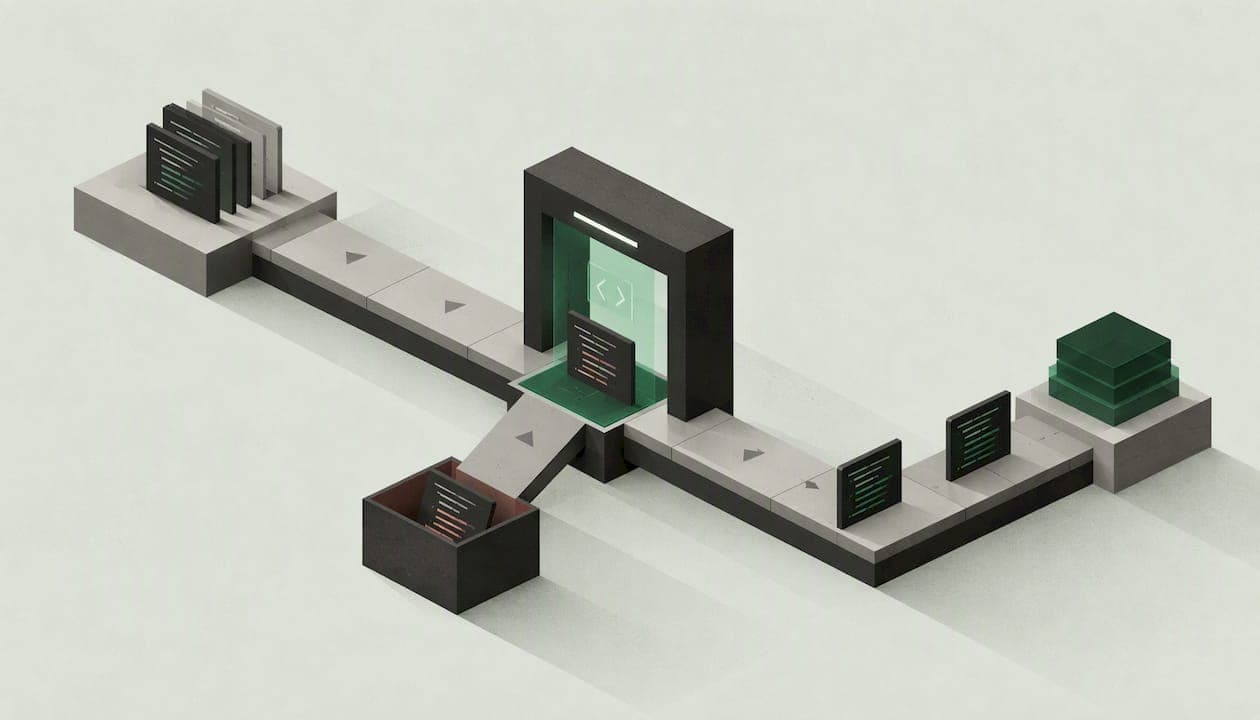
Code Review in CI/CD: How to Build a Pipeline That Catches Defects
How to build code review into your CI/CD pipeline: what to automate, what humans keep, how to gate merges on GitHub, and how to keep PRs moving.
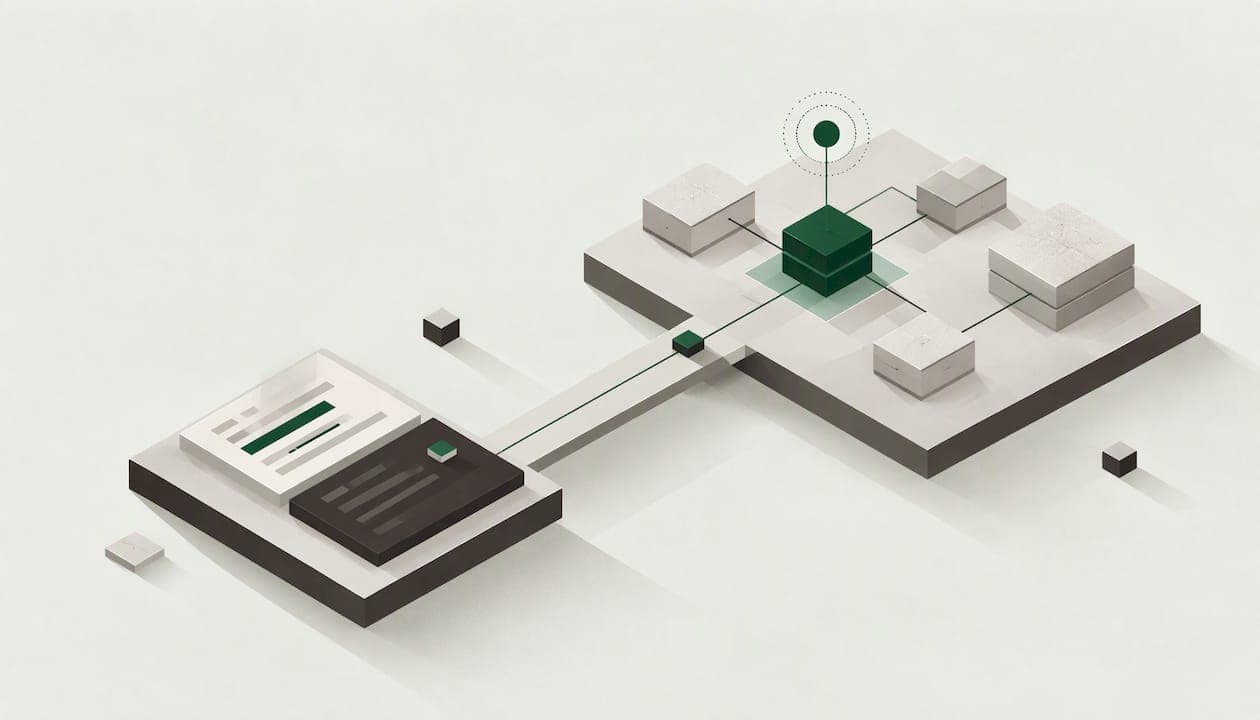
Context-Aware Code Review: What It Takes and How to Verify It
Context-aware code review means reading callers, interfaces and dependencies, not just the diff. Learn how it works, where it fails, and how to verify findings.
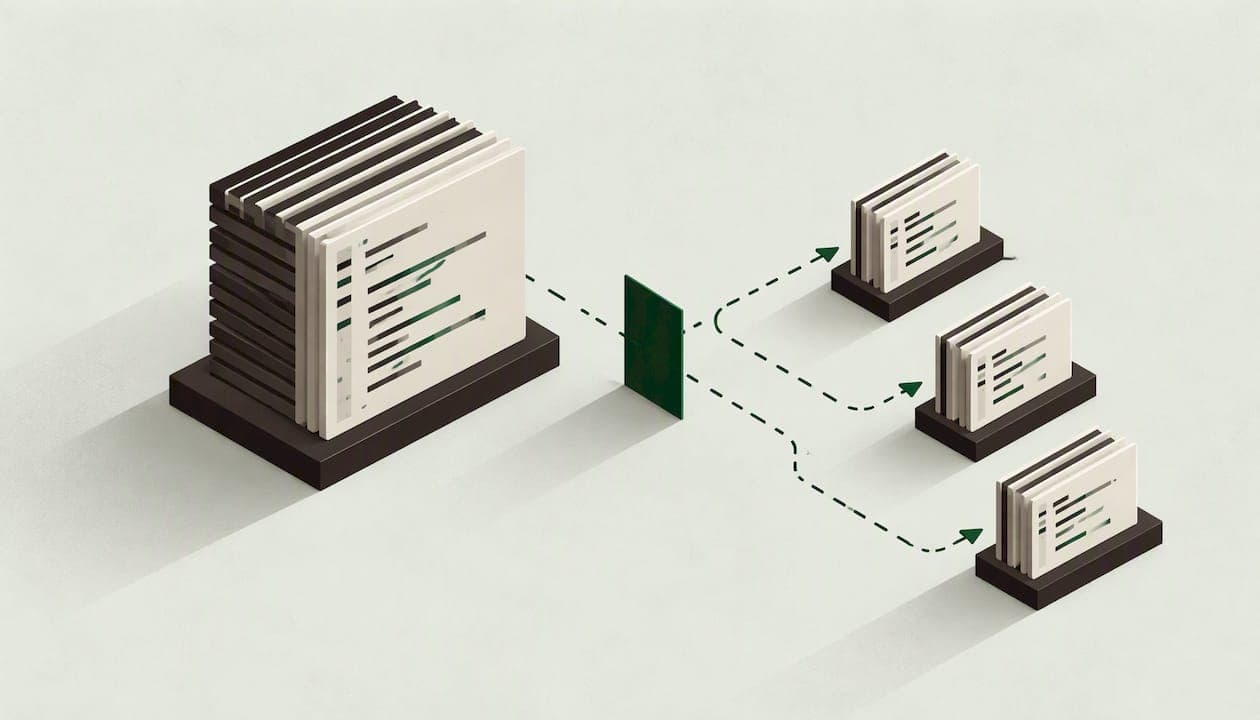
Pull Request Size: What Is Ideal and When to Split
What is a good pull request size? Line-count benchmarks, the research behind them, exceptions, and practical ways to split work so reviews catch real defects.

Python PR Security Checks: 5 Checks That Keep Merges Moving
Run five Python PR security checks with GitHub tools and lightweight scanners, then set baseline and merge rules that keep old findings from stalling reviews.

Security Fixes in PRs: 8 Steps for Developers to Verify Them
Keep security fixes in pull requests with evidence attached, risk based triage, clear owners, and targeted rescans that confirm the change before closure.
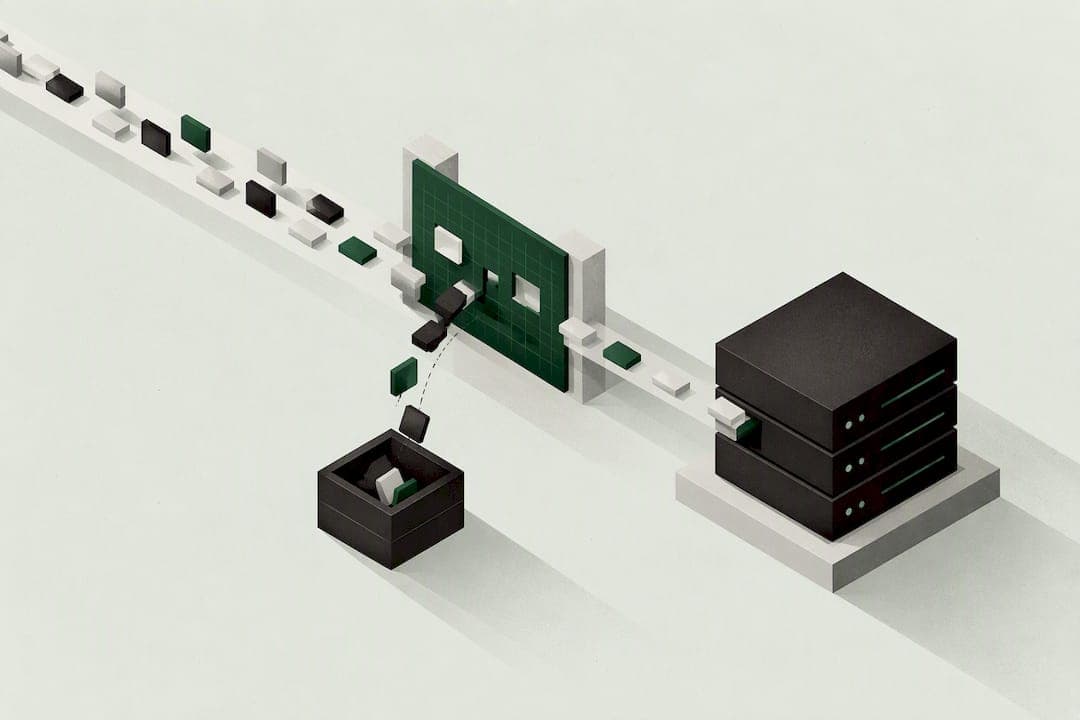
PII in Logs: Developers Stop Leaks at the Source Before CI
Learn how developers keep PII out of logs through source sanitization, access and retention controls, and CI checks that catch risky changes before merge.

F1 Score: 20 Misses Can Still Score 0.667 for Bug Detectors
See how F1 scores can hide missed bugs, calculate precision and recall, manage library settings, and track recall at a precision floor in PR reviews.